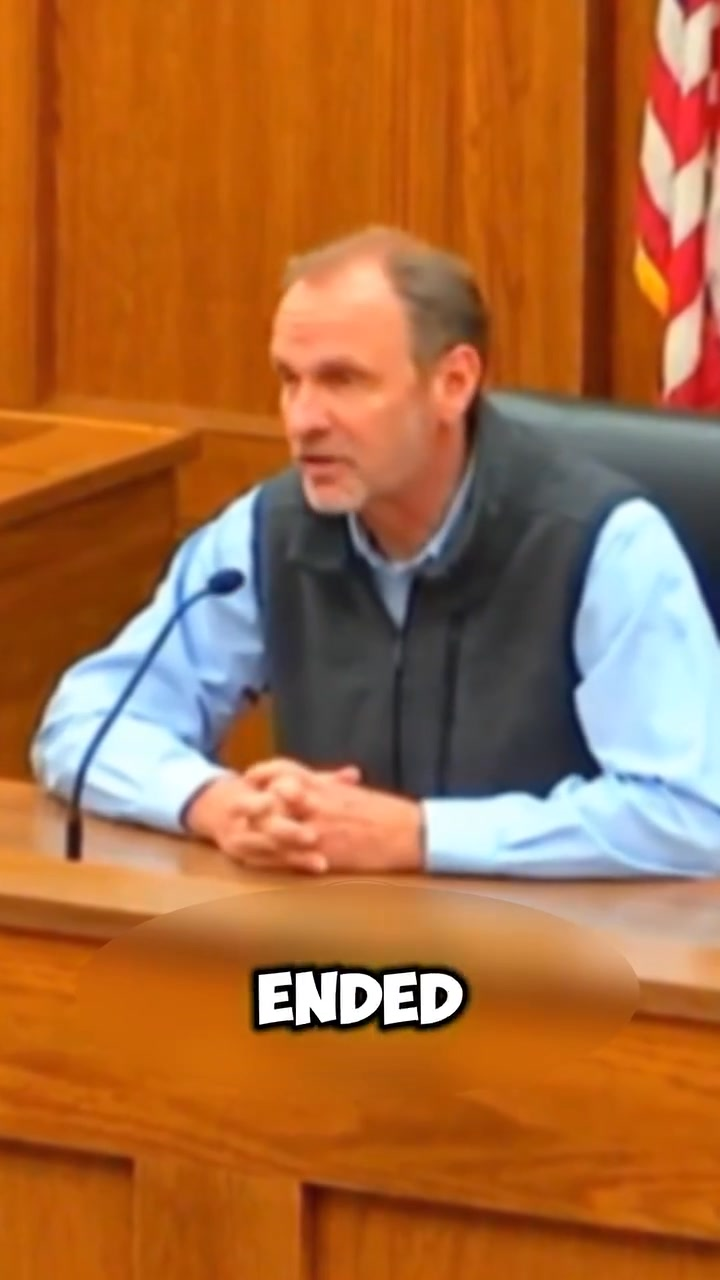
The relationship between a citizen and their local code enforcement office is often governed by a complex web of regulations that can sometimes lead to contradictory outcomes.
A local resident recently found himself trapped in a bizarre administrative loop involving a mobile trailer parked on his property.
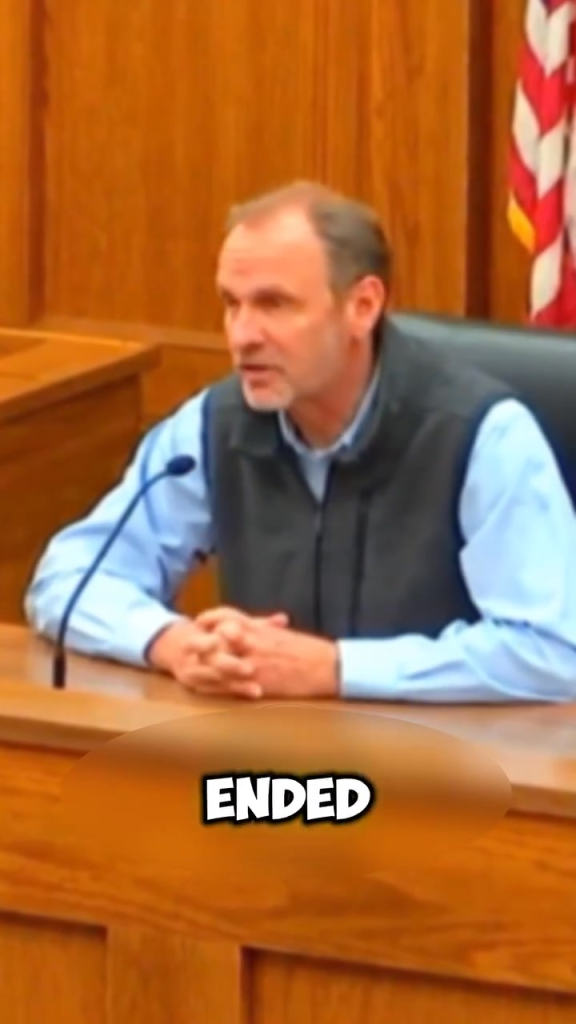
When he initially attempted to register the unit, municipal officials insisted that the trailer “did not exist” in their database and required no permits; however, the moment he moved the vehicle, the city issued a thirty thousand dollar fine for transporting an “unauthorized and unpermitted structure.”
The homeowner had spent months attempting to bring his property into full compliance, documenting his interactions with various city departments. He maintains that he was explicitly told that because the trailer lacked a permanent foundation or a prior record, it fell outside of the city’s jurisdiction.
Relying on this official guidance, he eventually moved the trailer to a different location on his land, only to be met with a swarm of inspectors and a life-altering financial penalty.
The Anatomy of a Contradictory Violation
The city’s legal department argues that while the trailer may not have existed in the tax database, it was subject to strict zoning and transport ordinances the moment it was set in motion.
They claim that the thirty thousand dollar fine is a cumulative penalty based on daily violations for “illegal hauling” and “unauthorized placement of a dwelling.” For the resident, this represents a “Catch-22” scenario where he was penalized for a status the city itself had refused to acknowledge only weeks prior.
The dispute now centers on the concept of “administrative estoppel,” a legal principle that prevents a government entity from penalizing a citizen who acted in good faith based on the government’s own incorrect information.
The homeowner is prepared to present time-stamped emails and recorded phone calls where city staff dismissed his concerns about the trailer’s status. He argues that the city cannot simultaneously claim a structure is “non-existent” for the purpose of help but “illegal” for the purpose of revenue.
The Economic Toll of Bureaucratic Inconsistency
For the resident, the thirty thousand dollar fine is not merely a paperwork issue; it is a financial catastrophe that threatens his ability to maintain his home. Most municipal fines of this magnitude are designed to deter major developers or industrial polluters, yet they are being applied here to a single individual who was attempting to follow the rules. The stress of the legal battle has taken a significant toll on his health and his trust in local leadership.
“They told me it wasn’t there when I tried to do the right thing, and then they charged me $30,000 for moving a ‘ghost’ they suddenly decided was real.”
From a psychological perspective, this type of “gaslighting” by a government body creates a profound sense of powerlessness. The homeowner feels that he was set up to fail by a system that prioritizes fine collection over clear communication and public service. The community has rallied behind him, with many neighbors sharing similar stories of receiving conflicting advice from city inspectors that later resulted in unexpected fees.
Seeking Accountability and Legislative Reform
The resident has filed a formal appeal with the city’s Board of Adjustments and is prepared to take the matter to civil court if the fine is not rescinded. His legal team is calling for a full audit of the code enforcement department’s recent activities, alleging that the “non-existent” trailer tactic is being used to trap residents into high-value violations. The case has become a symbol of the need for “Common Sense” reform in municipal governance.
| Timeline of Conflict | Action Taken by Resident | Response from the City |
| Month 1 | Attempted to permit the trailer. | “Structure does not exist in records; no permit needed.” |
| Month 3 | Moved trailer 50 feet. | Issued immediate “Stop Work” order and $5,000 fine. |
| Month 4 | Requested a hearing. | Fines escalated to $30,000 for “unauthorized dwelling.” |
Ultimately, the story of the “non-existent” trailer is a cautionary tale about the dangers of a disconnected bureaucracy. It highlights the reality that in the eyes of the law, a citizen is often held to a higher standard of consistency than the government itself. The resident continues his fight, hoping to prove that honesty and cooperation should be rewarded, not exploited for a budget shortfall.
As of April 2026, the city council has agreed to review the case following a series of public protests at recent meetings. The resolution of this paradox will likely define the limits of municipal fine authority and the rights of residents to rely on the word of their local officials. The trailer remains unmoved, a silent monument to a legal battle that is far from over.