On a widely circulated courtroom and news clip, a case involving a mother’s physical intervention to protect her teenage daughter from an alleged voyeur drew national attention. The incident raised complex legal questions about parental protection, civil liability, and how courts weigh a defendant’s medical condition against the harm caused.
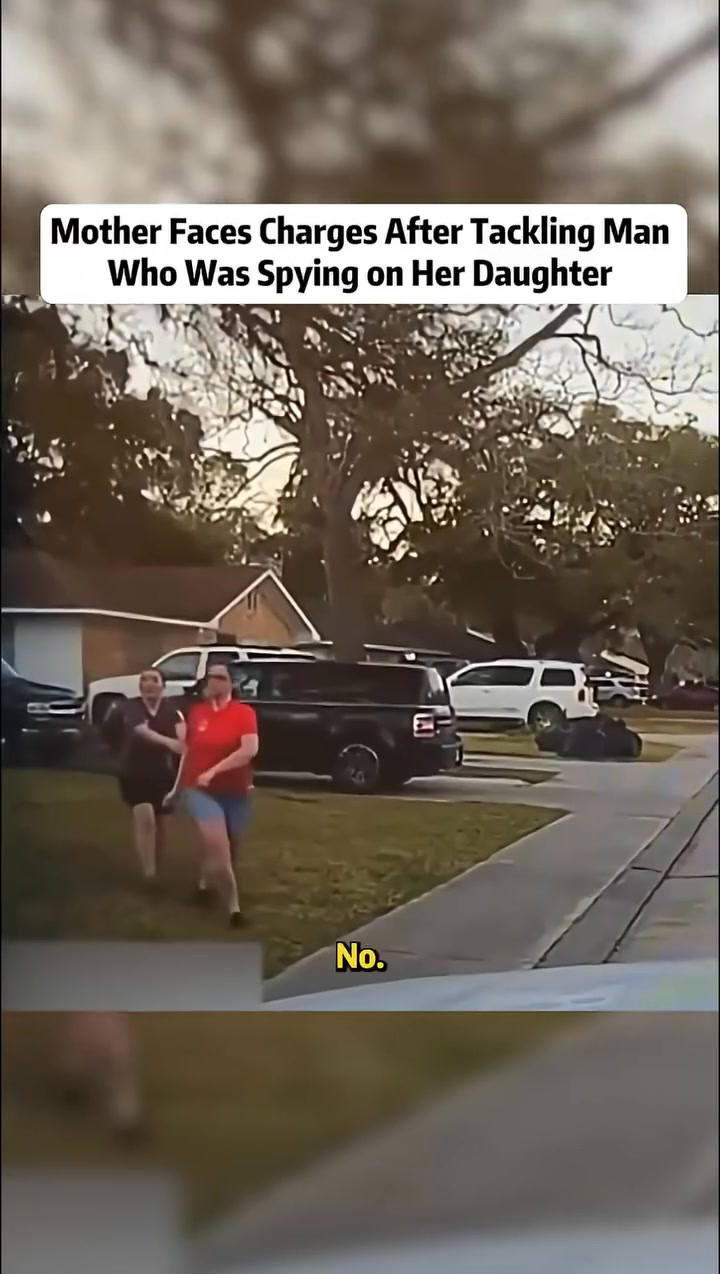
The case centers on Phyllis, a mother who discovered a man later identified as Zane Hawkins allegedly spying on her daughter. Rather than waiting for authorities to intervene, Phyllis moved to stop him herself, blocking his path and grabbing hold of him as the two fell to the ground.
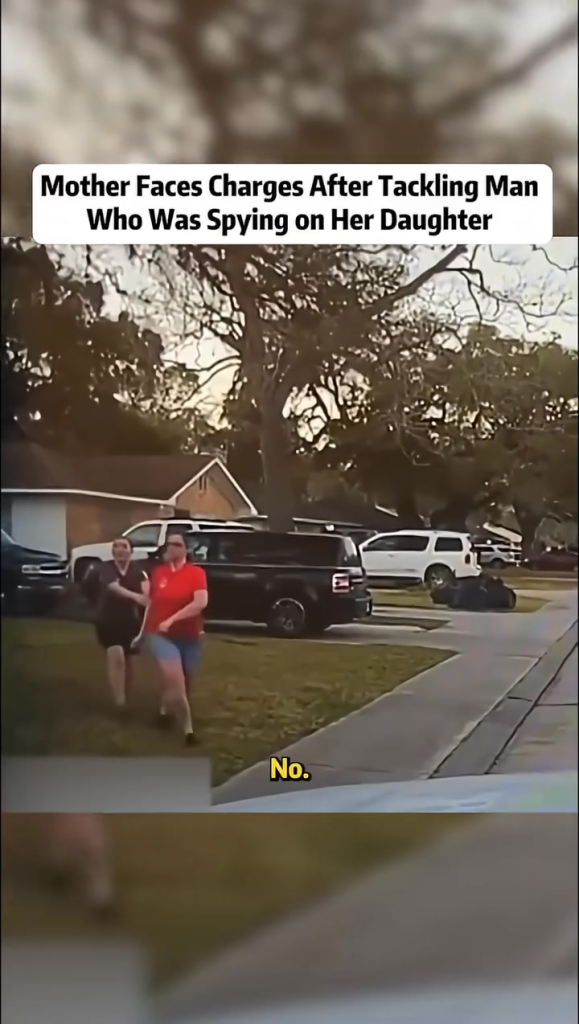
Phyllis’s older daughter also intervened during the confrontation, assisting in restraining Hawkins until law enforcement officers arrived on scene. The physical struggle resulted in Hawkins striking his head on the concrete, sustaining a fractured skull. He was subsequently transported to a hospital and, according to reports, remained in a coma.
Hawkins’s family initiated civil legal proceedings two days after the incident, filing a lawsuit against Phyllis and seeking $450,000 in damages. The lawsuit characterized the confrontation as an assault, arguing that Phyllis had gone beyond reasonable conduct in her response.
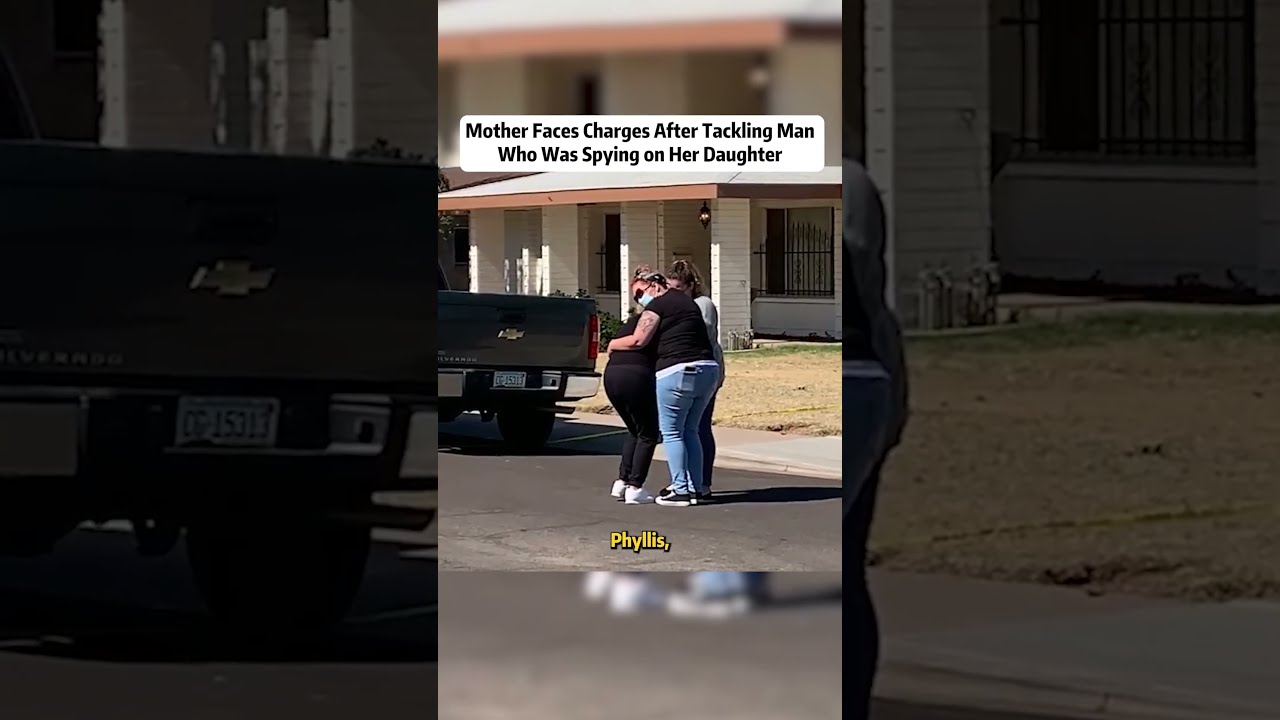
Central to the Hawkins family’s legal argument was the claim that Zane has autism and was not intentionally peering into the property. They maintained that he may have been experiencing an episode at the time and that his actions were not driven by predatory intent. The family further argued that he had panicked upon the arrival of police officers.
Phyllis’s defense rested on her position as a mother acting to shield her daughter from what she perceived as an immediate threat. Her account of events described a deliberate effort to intercept Hawkins and prevent him from fleeing before law enforcement could respond. Her older daughter corroborated the sequence of events during the proceedings.
Law enforcement officials who responded to the scene were also cited in connection with the case. Police detained Hawkins at the scene following the struggle, and their subsequent involvement shaped the legal framing of the incident as one in which Phyllis had acted in cooperation with, rather than opposition to, official authority.
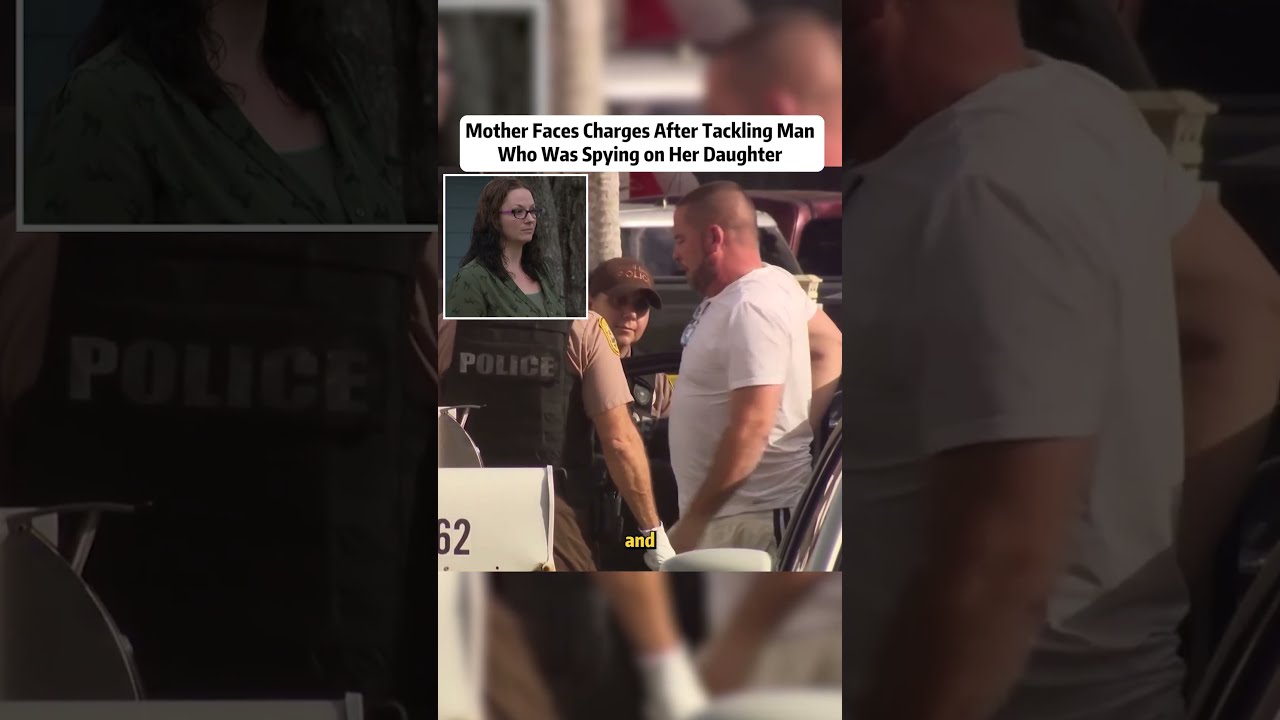
The local court ultimately dismissed the charges and civil claims against Phyllis. The jury determined that Hawkins’s autism diagnosis and alleged medical episode did not constitute sufficient grounds to excuse the conduct that had prompted Phyllis’s intervention in the first place.
Both prosecutors and members of the responding police department issued statements following the verdict, publicly commending Phyllis for her actions. Officials characterized her intervention as an act of bravery that both protected her daughter and assisted officers in detaining the suspect before he could leave the area.
The case drew attention to the legal boundaries that govern civilian intervention in situations involving potential criminal conduct. Courts in such cases typically weigh whether the force applied was proportionate to the perceived threat, and whether the intervening party had a reasonable basis for believing immediate action was necessary.
Hawkins’s medical condition introduced a secondary legal dimension that courts are increasingly asked to address. While autism spectrum disorder may be considered as a mitigating factor in criminal proceedings, courts have generally held that such diagnoses do not automatically negate the harm experienced by those targeted by the conduct in question.
For Phyllis, the dismissal of the lawsuit brought a legal resolution to what had begun as an instinctive act of protection. The verdict affirmed that the jury found her response to be within the bounds of lawful conduct given the circumstances she faced that day.
The outcome also carries broader implications for parents and bystanders who intervene in situations involving alleged criminal activity. Courts continue to grapple with where the line falls between lawful protective action and conduct that crosses into civil or criminal liability, particularly when the intervention results in significant physical harm to the other party.
The full circumstances of the confrontation, the courtroom testimony, and the legal arguments presented in this case are detailed in the video below. Watch the full ruling and case breakdown below.