The bustling environment of a local shopping center is typically associated with commerce, leisure, and community interaction, but for one family, a standard afternoon transformed into an irreparable tragedy. A 65-year-old man, while walking through the mall’s perimeter, plummeted into an open repair tunnel, sustaining injuries that ultimately cost him his life. This devastating incident sparked a complex legal battle, forcing a re-examination of safety protocols in public spaces. As the case moved into a courtroom, the core question became who bears the primary responsibility when a fatal accident occurs in a clearly marked construction zone. The ensuing trial shed light on the fragile balance between individual accountability and the duty of property owners to protect the public from foreseeable hazards.
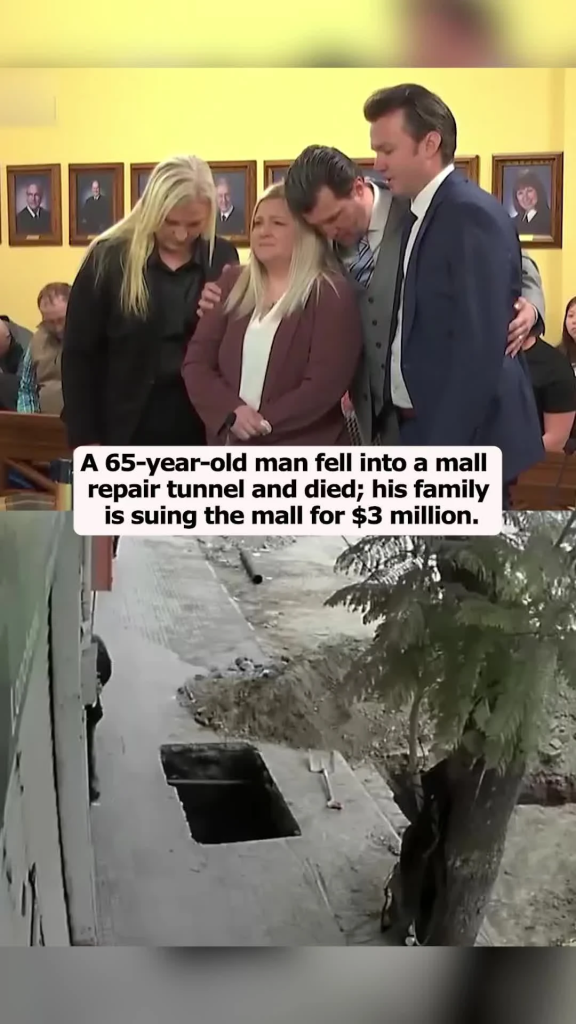
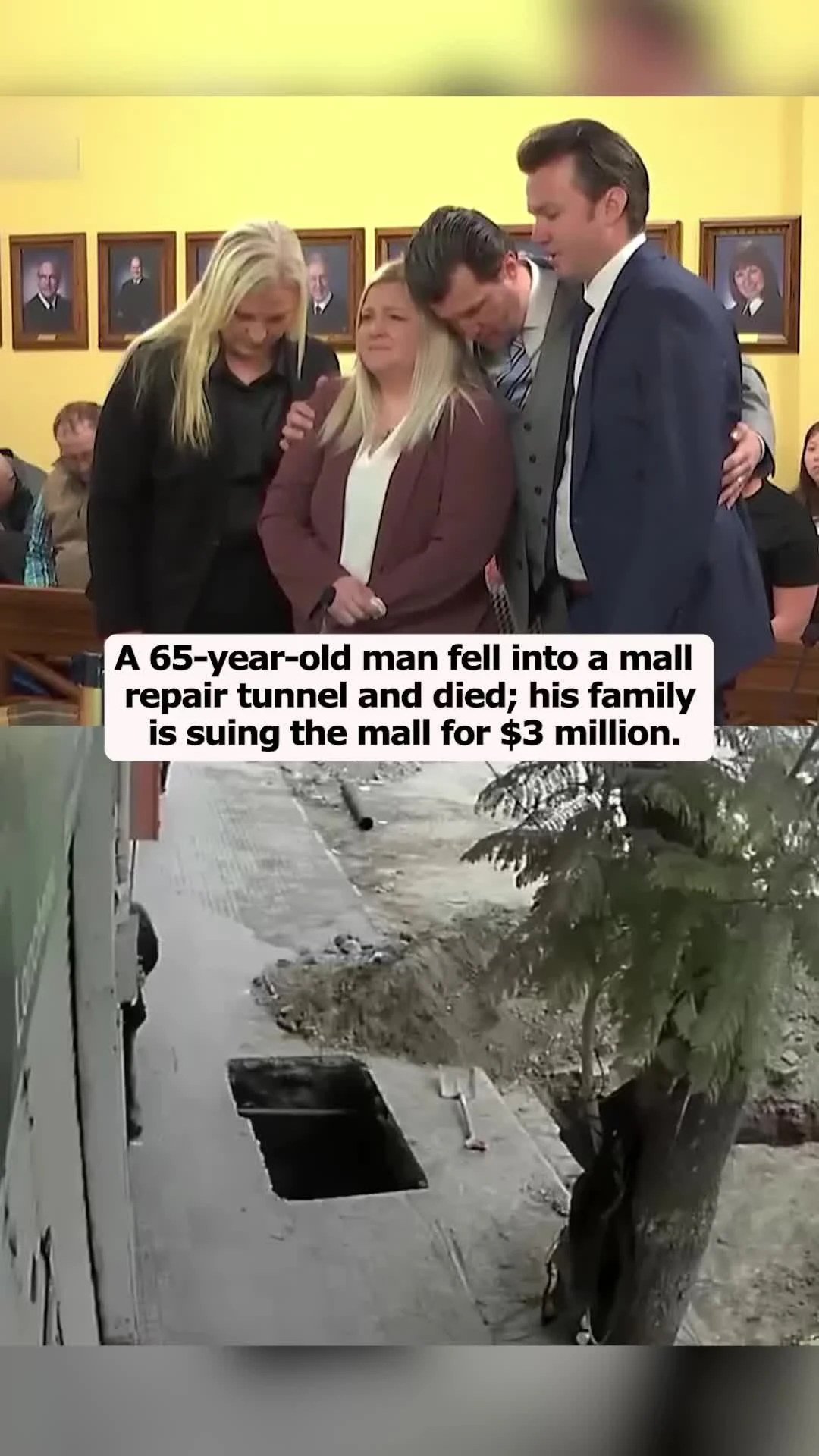
The incident occurred during a routine maintenance operation aimed at repairing a broken water pipe situated approximately five meters beneath the surface. For the construction crew and mall management, this was a necessary infrastructure project, yet the execution of the work left the site exposed and potentially lethal. Surveillance footage, which later became a pivotal piece of evidence, captured the precise moment the victim walked into the unguarded opening. The visual documentation was stark, showcasing the lack of adequate barriers surrounding a significant drop in the ground. The victim’s subsequent fall was not merely a tragic stumble; it was an intersection between a person’s momentary lack of awareness and a hazardous environment that lacked sufficient safety measures.
Following the man’s untimely death, his grieving family initiated a lawsuit against the shopping mall, seeking three million dollars in compensation. They argued that the construction area, which was easily accessible to pedestrians, posed an unacceptable level of danger that the property owners failed to address. In the legal filings, the family emphasized that the mall had a fundamental duty to secure the site, regardless of whether it was technically an area under repair. They maintained that failing to install proper signage, physical barricades, or clear warnings demonstrated a egregious level of negligence that prioritized construction convenience over human life. This perspective framed the case not just as an accident, but as a preventable tragedy rooted in systemic safety failures.
The legal defense presented by the mall’s representatives offered a starkly different interpretation of the events that transpired that day. They asserted that all necessary repair permits were secured and that the work was being conducted in accordance with standard operating procedures. The defense maintained that the construction zone was clearly delineated for those who were paying attention and that the mall could not be held entirely responsible for the actions of individuals who wandered into prohibited areas. They argued that the victim’s own inattention was a contributing factor to the fall, shifting the narrative toward the concept of personal responsibility. According to this perspective, the mall had met its obligations, and the fatality was a byproduct of the victim’s failure to observe his surroundings.
As the court deliberated, the trial became a focal point for broader discussions on premises liability, a branch of civil law that governs the responsibility of property owners for injuries that occur on their land. Premises liability requires that owners take reasonable steps to maintain a safe environment for visitors, which includes the mitigation of risks associated with construction or maintenance work. The central conflict of this trial boiled down to the degree of care expected of a property owner versus the duty of care expected of a visitor to recognize obvious dangers. While the defense pointed to the existence of signs and the ongoing nature of the work, the court focused on the sufficiency of those measures to actually protect an ordinary person.
The court’s eventual ruling served as a significant indictment of the mall’s safety practices, regardless of the existence of permits or signs. The presiding judge concluded that even though the maintenance work was legitimate, the mall had failed to implement sufficient barriers or clear warnings that would effectively prevent the public from accessing a life-threatening danger. The decision highlighted a crucial legal principle: the presence of a hazard does not absolve the owner of the duty to ensure that the hazard is physically inaccessible to the public. By failing to construct a substantial enough perimeter, the mall had created an environment that made a fatal accident not just possible, but arguably likely.
The verdict, while not entirely absolving the victim of his share of negligence, established that the primary responsibility for such an avoidable incident rested with the property owner. The court found the mall to be 70 percent liable for the man’s death, emphasizing that property owners are held to a higher standard when it comes to the safety of those present on their premises. As a result, the mall was ordered to award the family 2.1 million dollars in compensation, a figure that acknowledges both the loss of life and the failure to provide adequate protection. This outcome reinforced the expectation that businesses must go beyond merely having permits and signs; they must actively and effectively manage risks to prevent catastrophic outcomes.
This case serves as a somber reminder of the life-altering consequences that can arise from the oversight of basic safety protocols. The transition from a routine shopping trip to a legal battle illustrates the high emotional and financial costs that families endure when seeking justice for a loved one. For property owners and developers, the ruling highlights the necessity of prioritizing safety, even at the cost of project efficiency, to ensure that the public is never subjected to unnecessary dangers. Ultimately, this tragic event underscores the profound responsibility that accompanies the ownership of public space, emphasizing that human life must always take precedence over convenience and cost-cutting measures.