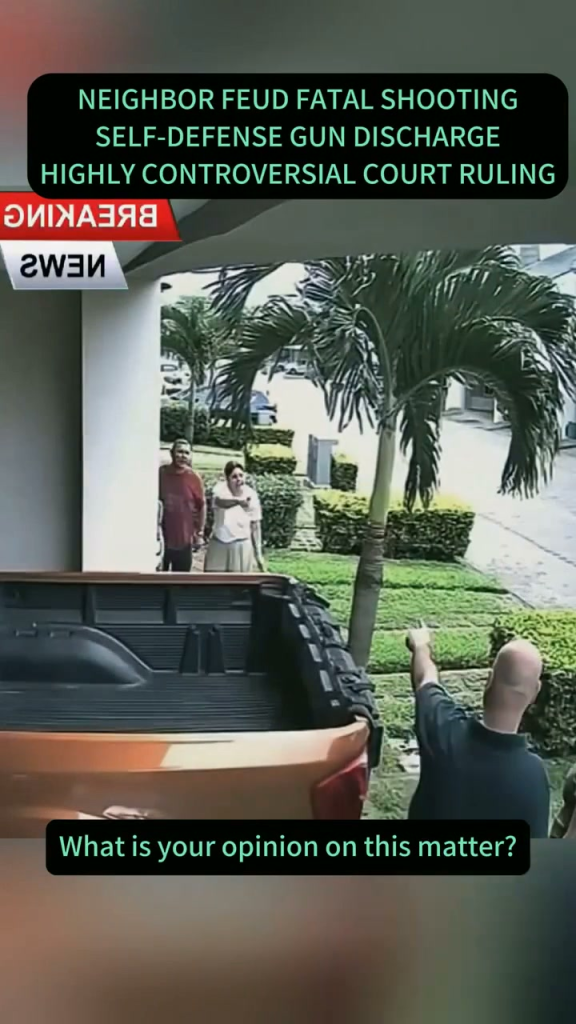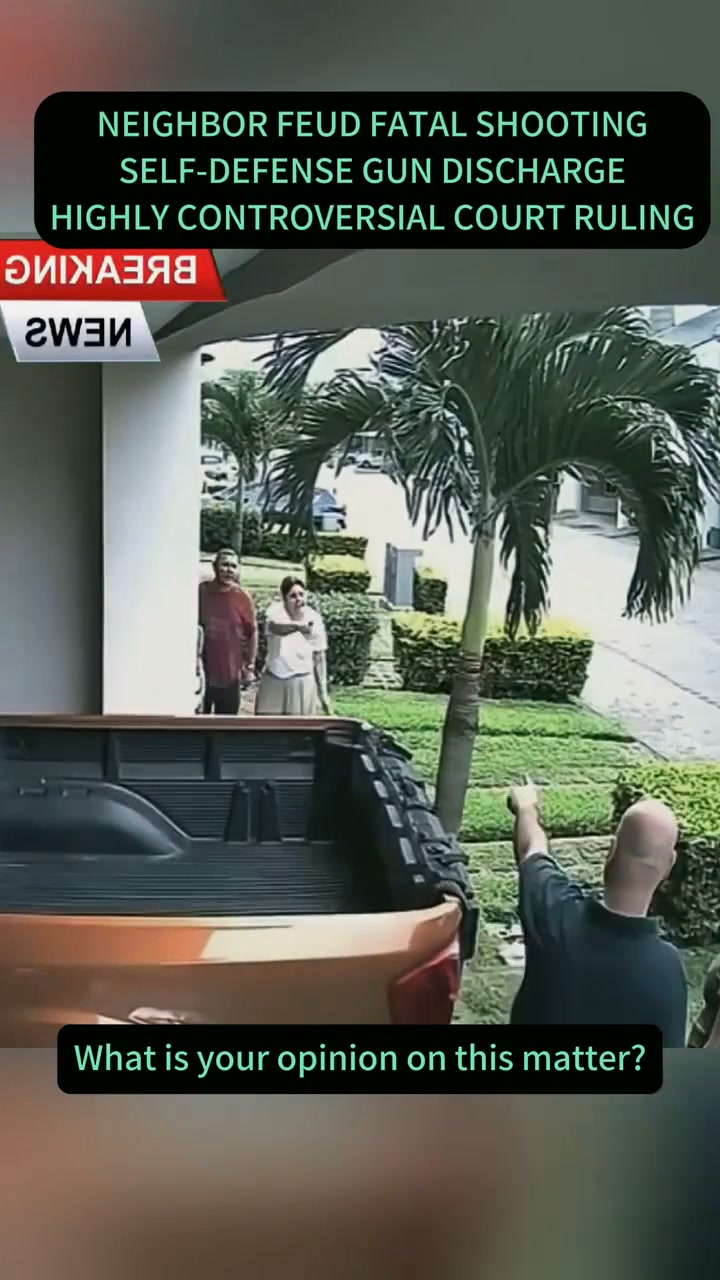
The fatal shooting of a neighbor during a long-running feud has resulted in a highly controversial court ruling that has divided legal experts and the public over the boundaries of self-defense. The case, which centered on a dispute between neighbors, concluded with the defendant’s self-defense claim being rejected by the Wyoming Supreme Court, a decision that has sparked intense debate .
The incident occurred in July 2021, stemming from an ongoing dispute over goats that frequently escaped onto the defendant’s property. The confrontation escalated when one neighbor, Paul Manders, shot and killed Vernon Clyde, who was operating a skid steer to repair fencing between their properties. Manders claimed self-defense, alleging that Clyde had “come at him” with the heavy machinery .
The Wyoming Supreme Court’s ruling rejected Manders’ self-defense argument on several grounds. The court found insufficient evidence that Clyde was unlawfully and forcefully entering Manders’ home, meaning the castle doctrine provision allowing defense of one’s home was inapplicable. Critical evidence undermined the self-defense claim: the skid steer’s parking brake was engaged when police arrived, and bullet casings were found on top of tracks in the dirt, suggesting they were placed after the vehicle came to a stop. Additionally, a blood pool on the skid steer indicated the machine was not in motion when the blood was deposited .
Legal observers have called the ruling controversial because it determined that verbal provocations and property disputes do not justify the use of deadly force. The court emphasized that even if Manders believed the disputed strip of land was his driveway, the law does not extend castle doctrine protections to “driveways, yards, and other areas outside of a structure or occupied dwelling” .
The decision underscores a critical legal principle: the use of deadly force is only justified when facing an imminent threat of death or serious bodily harm, not in response to trespass or property disputes . This ruling has fueled ongoing debate about self-defense laws and the extent to which individuals can protect their property, making it a highly controversial precedent in neighbor-dispute cases across the country .