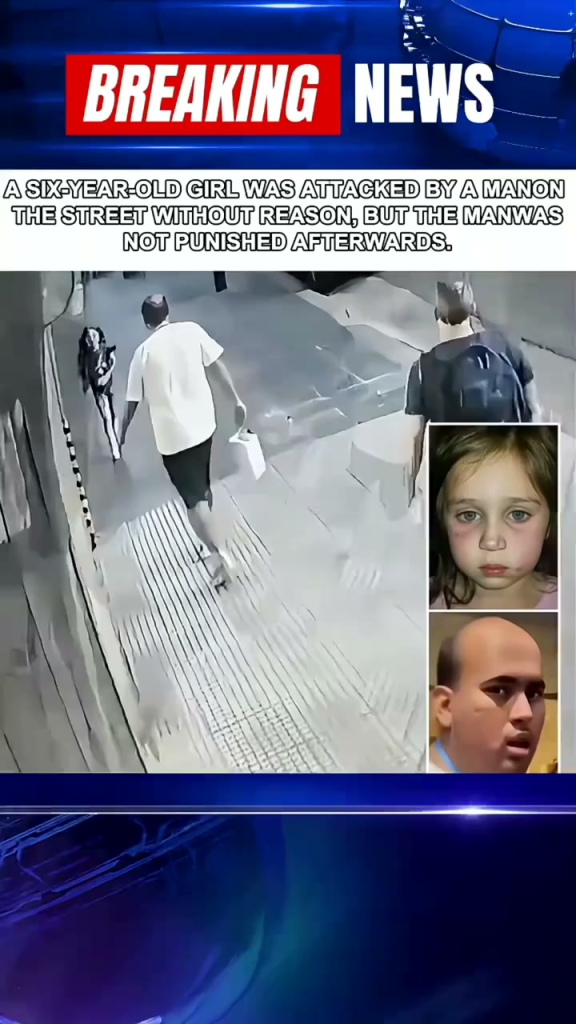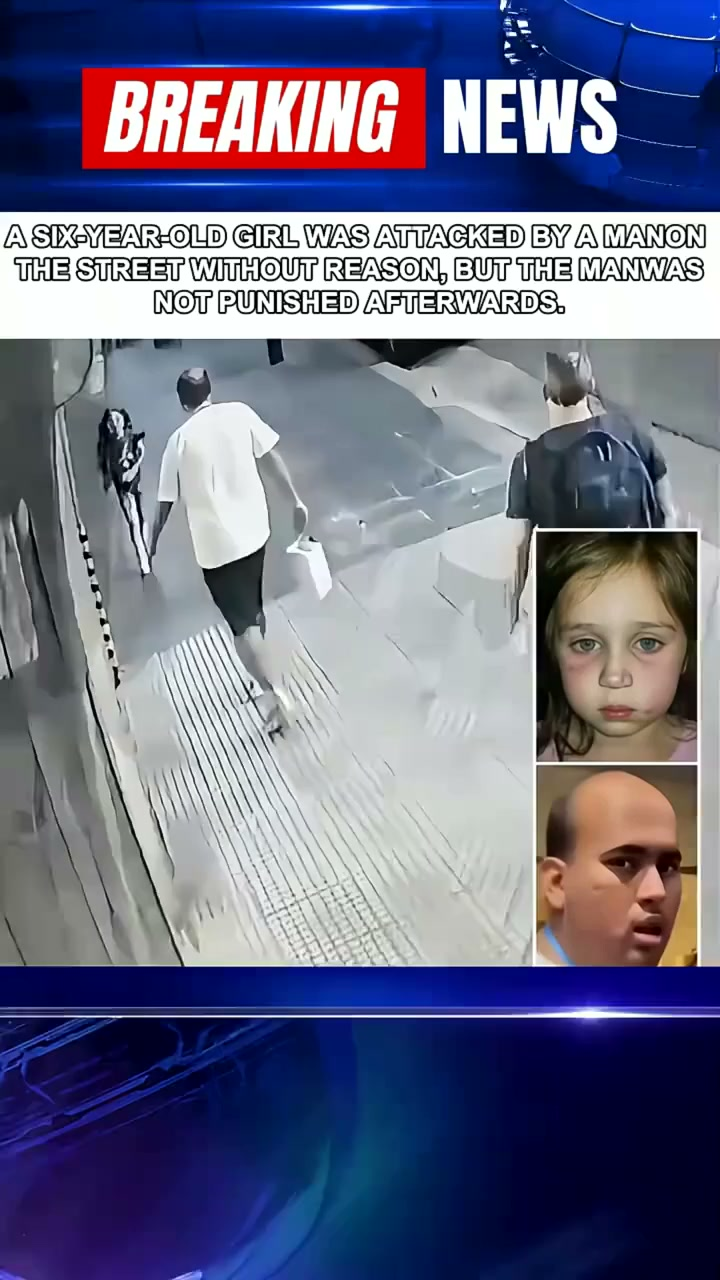
The sun was warm, the sidewalk was cracked with weeds, and six-year-old Maya was holding her mother’s hand. It was an ordinary Tuesday—until it wasn’t. A man, wild-eyed and muttering to himself, broke from a bus stop bench and lunged at the girl. He grabbed her by the arm, yanked her off her feet, and shouted gibberish into her terrified face. She screamed. Her mother fought. Bystanders pulled him away. The police arrived, handcuffed him, and took him to a hospital.
The attack lasted maybe fifteen seconds. But Maya’s nightmares have lasted months.
Her arm healed. Her trust did not. She flinches at strangers. She refuses to walk to the mailbox without checking both ways—not for cars, but for him. She asks her mother every night, “Will he come back?” And her mother, with a hollow ache, says, “No, honey. He’s gone.”
But he isn’t punished.
The man was diagnosed with a severe psychotic disorder. He was deemed incompetent to stand trial. Instead of prison, he was placed in a psychiatric facility—and released within seventy-two hours for lack of bed space. No charges. No trial. No consequence. He walked out with a prescription and a follow-up appointment he never kept.
Meanwhile, Maya’s parents are left with medical bills, therapy costs, and a child who now sleeps with a nightlight and a locked bedroom door. They’ve been told to “understand” his illness. To have “compassion.” But compassion is a luxury when your daughter wakes up screaming.
This is not an argument against mental health reform—it is a plea for balance. Justice must be nuanced, yes. But it cannot evaporate. The system that failed the man also failed Maya. It failed her by declaring that a six-year-old’s safety is less important than a stranger’s diagnosis.
Maya is not a case file. She is a little girl who used to love walking to the park. Now she asks, “Why didn’t anyone protect me?” And the silence from the courtroom is louder than her scream ever was.