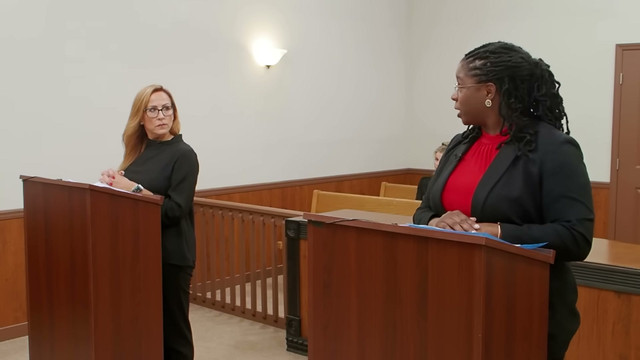
Proceedings opened in a structured courtroom environment where administrative civil matters were scheduled for review under Judge Porter’s supervision. The setting was formal and orderly, with participants instructed to present documentation clearly before any detailed discussion began.
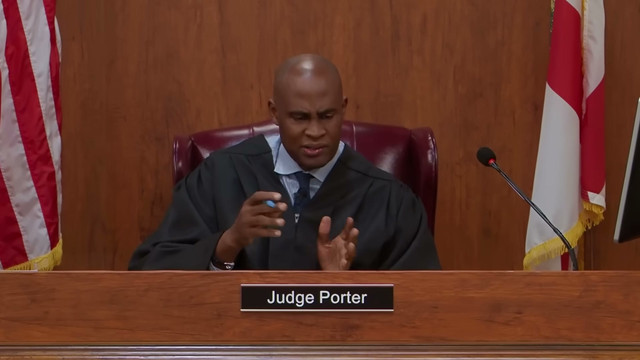
Judge Porter outlined the scope of the hearing as a review of communication practices connected to Mango Park Learning Center during an enrollment period. He emphasized that the court’s focus would remain on documentation, timelines, and the consistency of information shared with families.
Natasha Avery and Diana Thompson appeared as the primary participants in the matter, each accompanied by prepared records relevant to the enrollment process. These materials included enrollment forms, newsletters, and internal communication logs that were submitted for reference during the session.
Avery described her initial expectations when enrolling her children, noting that early conversations had suggested structured learning activities and regular updates. She told the court she anticipated a steady flow of information that would allow her to track classroom progress in a predictable way.
She went on to explain that as the enrollment period continued, she began paying closer attention to the way lesson themes were presented in written updates. Avery stated that she sought more detailed explanations to better understand how weekly activities connected to broader learning goals.
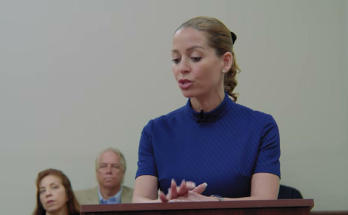
Thompson responded by explaining that Mango Park Learning Center operates with a standardized communication system designed to keep families informed through scheduled updates. She described newsletters and regular notices as part of a consistent approach intended to provide clarity about classroom focus areas.
She added that staff members were encouraged to maintain open communication with families who required further explanation or context. According to Thompson, this structure was intended to ensure that questions could be addressed through established channels without delay.
Judge Porter then shifted attention to the timeline of enrollment, attendance, and withdrawal to better understand how communication evolved over time. He asked both participants to clarify when updates were received and how those updates aligned with standard expectations in early learning programs.
Discussion briefly expanded to the format and frequency of written updates provided during the enrollment period. The court reviewed whether the materials submitted reflected consistent communication patterns or whether there were noticeable gaps in timing or detail.
Attention later turned to Avery’s account of administrative document processing following the withdrawal of her children from the program. She stated that she experienced delays in receiving certain records, which affected her ability to plan subsequent childcare arrangements.
Avery explained that the timing of those documents required her to coordinate temporary care solutions while transitioning to a new schedule. She described this period as requiring additional organization and adjustment within her household routine.
Thompson responded that administrative requests were handled according to established procedures within the center’s operational framework. She noted that processing times could vary depending on request type, workload, and the nature of the documents involved.

The court then examined how communication methods used by the center were structured to ensure clarity for families reviewing program information. Judge Porter focused on whether written materials adequately explained classroom themes in a way that could be easily interpreted without additional context.
Further discussion explored how early education programs typically incorporate social learning concepts such as cooperation and group participation into classroom activities. The court considered whether these concepts were clearly reflected in parent-facing materials or whether additional explanation might be necessary.
Avery maintained that clearer initial explanations would have helped her better understand how classroom activities were structured over time. She stated that improved clarity in early communications could have reduced uncertainty during the enrollment period.
Thompson reiterated that the center’s approach aligns with widely used practices in early childhood education environments. She emphasized that ongoing updates were intended to reinforce learning themes and maintain consistent communication with families.
As the session progressed, Judge Porter summarized the central areas under review, including clarity of communication, documentation timelines, and expectations during enrollment. He noted that further examination of the submitted records would assist in determining how standard procedures were applied in this case.
The hearing concluded with both participants acknowledging that additional review could be conducted if the court required further clarification of materials. Observers noted that the proceedings remained steady and methodical as the evaluation of communication practices continued under judicial consideration.