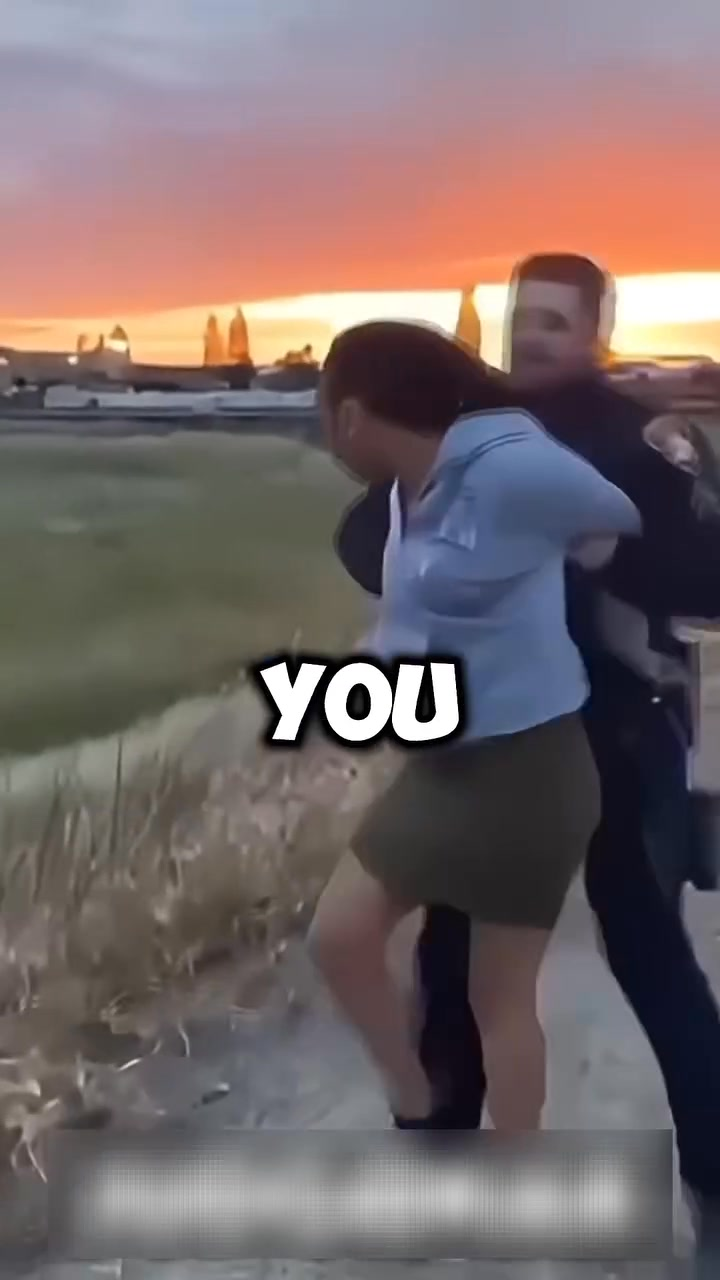
A widely circulated video clip featuring commentary from the Judge Mak channel has reignited public debate over the use of force during traffic stops, after footage appeared to show a police officer physically slamming a 16-year-old girl during a roadside encounter, then turning on the teenager’s mother who arrived on the scene.
The short-form video, which has accumulated thousands of views since its upload, depicts what the channel describes as an unprovoked stop that escalated rapidly into a physical altercation involving both the minor and her parent.
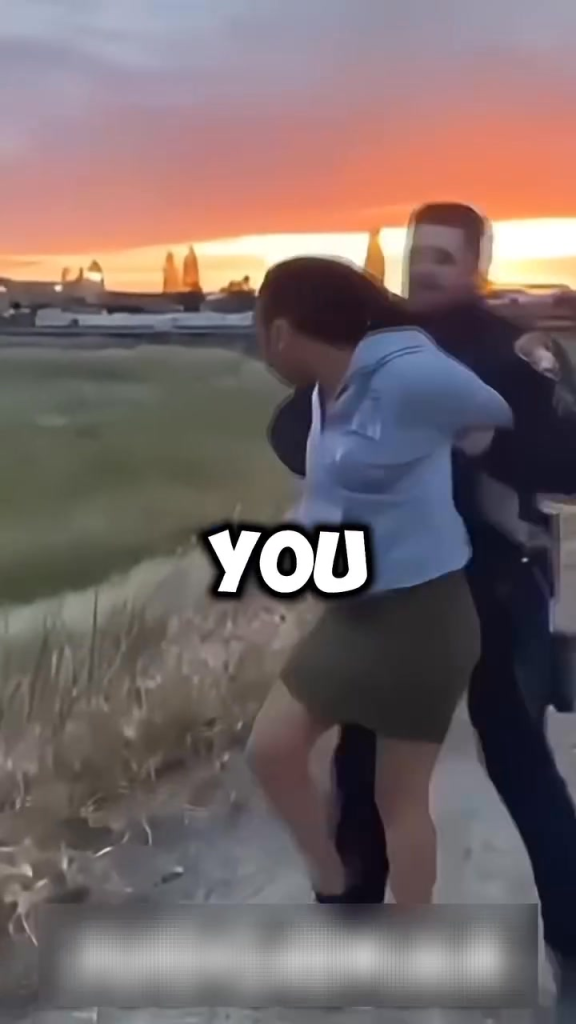
According to the video’s framing, the mother and her teenage daughter were pulled over under circumstances the narrator characterized as lacking a clear legal basis. The situation deteriorated when an officer allegedly body-slammed the 16-year-old with significant force, an act the channel described as resulting in the girl losing consciousness.
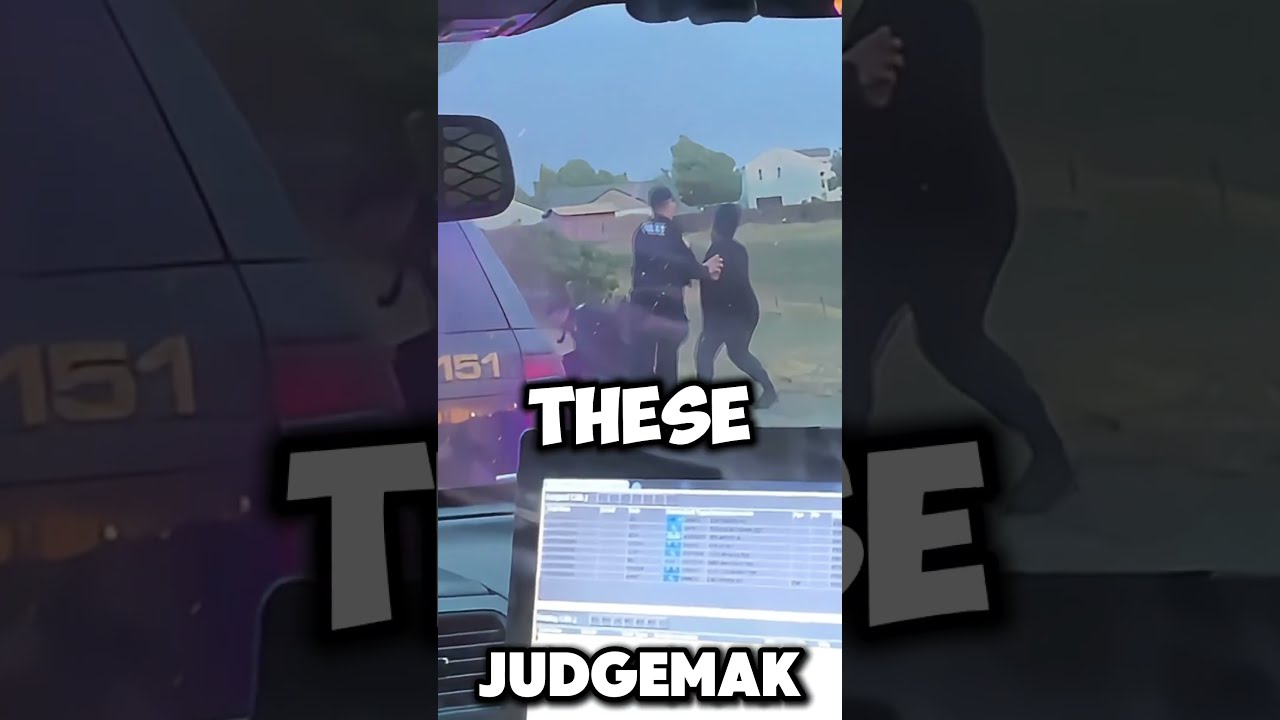
The mother, who was present at the scene, immediately intervened verbally, reportedly confronting the officer and demanding he release her daughter. The officer’s response, according to the video, involved turning physical force on the mother as well.
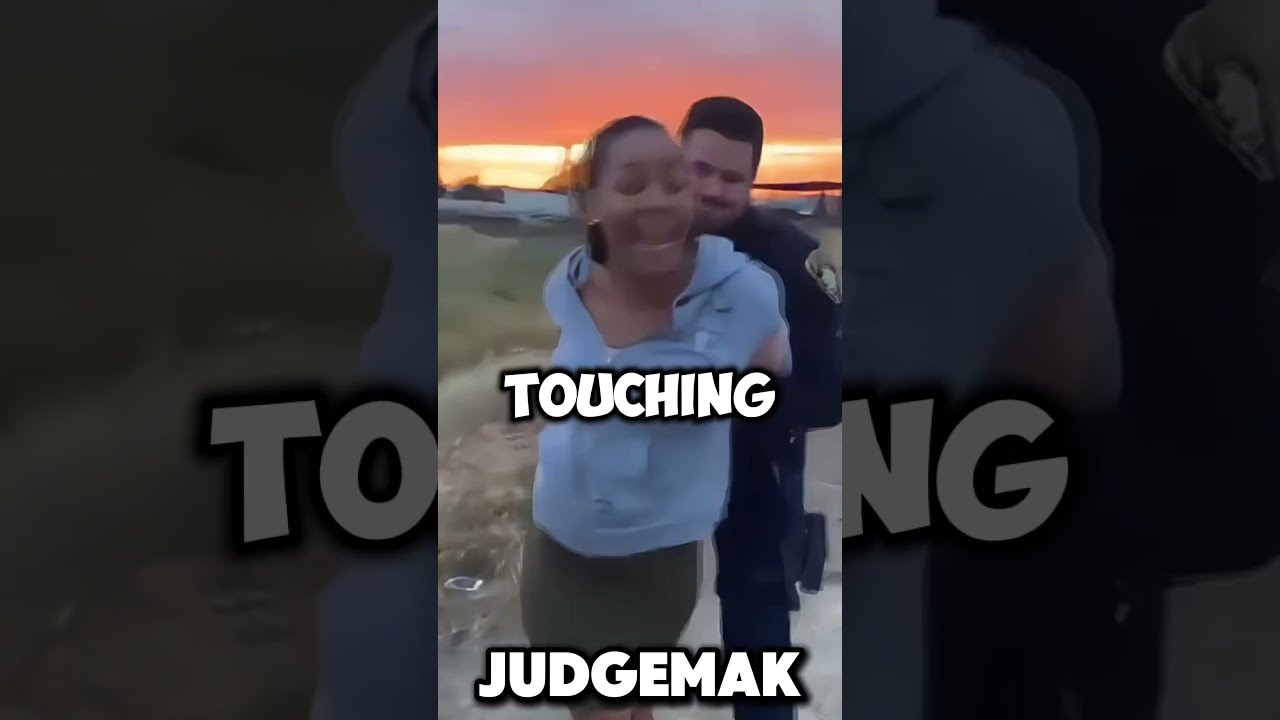
The footage captured the mother in a state of visible distress, loudly protesting what she described as the officer handling both her and her daughter without justification. Her objections, as depicted in the clip, were met with commands to move back rather than a de-escalation of the situation.
The clip, running approximately 35 seconds, does not provide substantial context regarding the nature of the initial traffic stop, the officers’ identifications, the jurisdiction involved, or whether any formal complaints, internal affairs reviews, or legal proceedings have been initiated in the aftermath.
Audience reactions to the video were largely critical of the officer’s conduct. A significant portion of viewers expressed the view that the level of force applied was disproportionate, with many calling for the officer’s termination and potential criminal accountability. Multiple comments referenced civil litigation as an expected consequence of the incident.
A minority of viewers cautioned that the brief clip may not capture the full sequence of events leading to the physical confrontation, noting that context preceding what was filmed could be relevant to any formal assessment of the officer’s conduct. This position reflected a broader tension in online discourse surrounding short-form law enforcement footage.
Under federal law, the use of force by police officers is governed by the Fourth Amendment’s reasonableness standard, as established in Graham v. Connor (1989).
Courts assess whether the force used was objectively reasonable given the circumstances known to the officer at the time, factoring in the severity of the alleged offense, the threat posed, and whether the subject was resisting.
The application of that standard to a 16-year-old during a traffic stop — particularly one where the nature of the alleged infraction has not been publicly established — would likely be central to any legal challenge brought on behalf of the minor or her mother.
No formal ruling, departmental finding, or court decision has been reported in connection with this incident based on available information. The Judge Mak channel presented the footage primarily as commentary and did not identify the officers, the department, or the specific location where the stop occurred.
The identities of the officer or officers involved, the police department or agency, and the current status of any formal complaint or legal action remain unconfirmed. Without that information, independent verification of the described sequence of events is not possible from the available clip alone.

Cases involving alleged use of excessive force against minors during traffic encounters have increasingly drawn scrutiny from civil rights organizations and legal advocates, particularly when video evidence is available. In several prior cases, departments have faced both civil liability and federal oversight as a result of similar incidents.
The outcome for the teenager and her mother — including any medical treatment, legal representation, or official response from the agency involved — has not been reported in connection with this footage.
The video’s comment section reflected public sentiment strongly in favor of accountability, though the legal and administrative process, if any has been initiated, remains unclear.
The full video, including the moment of confrontation and the mother’s response, is available for viewing below.