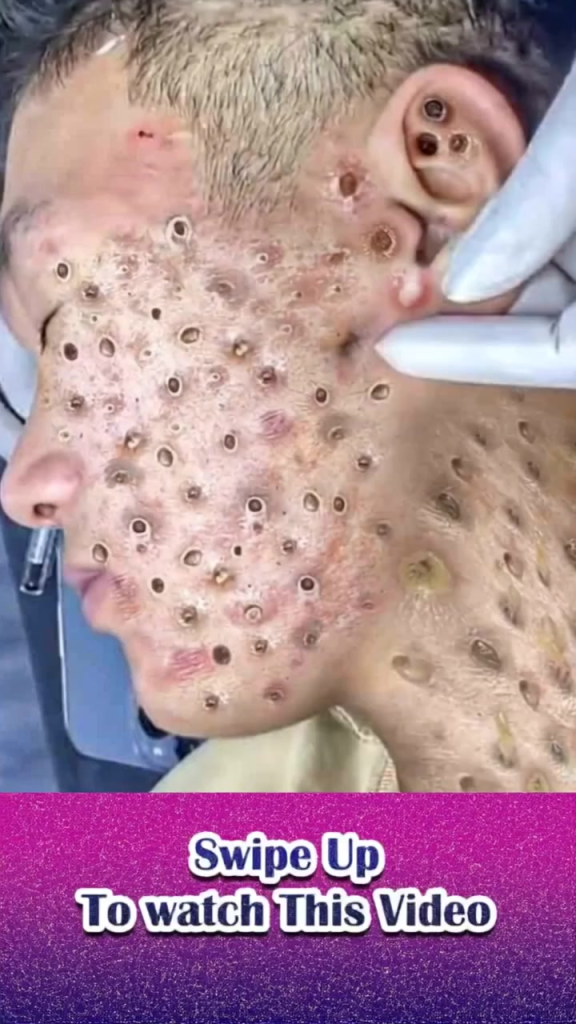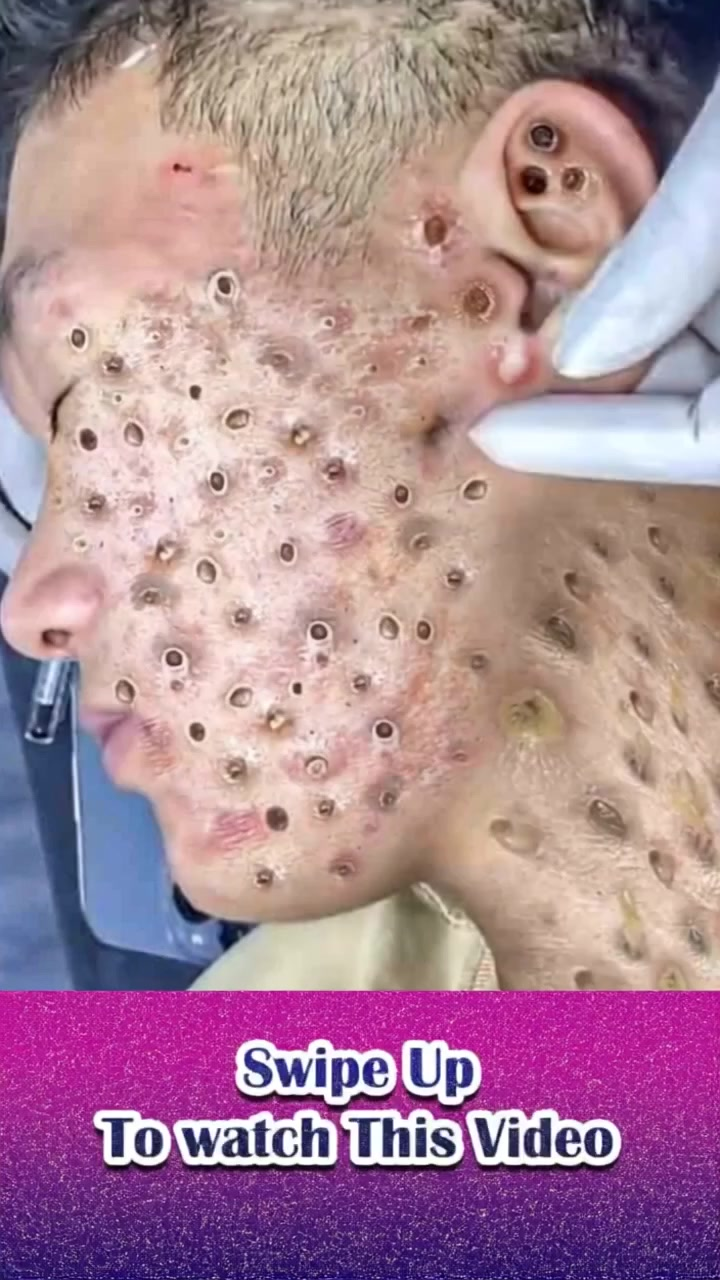
Almost everyone experiences acne at some point in their lives. Whether it appears as a few occasional pimples or as a more persistent breakout, acne—also known as acne vulgaris—is among the most widespread skin conditions in the world. It affects people of all ages, though it’s particularly common during adolescence and young adulthood when hormone levels are at their peak.
Despite being so common, acne can deeply affect a person’s confidence and self-esteem. Many individuals spend years searching for the right treatment, often feeling frustrated when results take time. Understanding the science behind acne—its causes, triggers, and prevention methods—can help anyone manage it better.
What Exactly Is Acne?
Acne occurs when pores on the skin become clogged with oil, dead skin cells, and bacteria. The skin naturally produces an oily substance called sebum, which helps keep it hydrated and protected. However, when too much sebum is produced, it can mix with dead skin cells and plug up hair follicles. This blockage creates the perfect environment for bacteria, especially Cutibacterium acnes (formerly known as Propionibacterium acnes), to grow and cause inflammation.
The result? Pimples, blackheads, whiteheads, cysts, or nodules—depending on how deep the blockage and inflammation go. Acne can appear anywhere on the body but is most common on the face, chest, shoulders, and back—areas with more sebaceous (oil-producing) glands.
Types of Acne Lesions
- Whiteheads (Closed Comedones): Small bumps that stay under the skin’s surface. They’re closed by oil and dead skin.
- Blackheads (Open Comedones): Clogged pores that open to the surface, where oxidation turns the trapped material dark.
- Papules: Small, red, inflamed bumps that can be tender.
- Pustules: Similar to papules but filled with pus, making them look like white or yellow pimples.
- Nodules: Large, painful lumps beneath the skin, formed by deep blockages and inflammation.
- Cysts: Deep, pus-filled lesions that can be painful and may cause scarring.
Understanding which type of acne you have can help determine the best approach to care and treatment.
Who Gets Acne and Why?
While acne is most common in teenagers, it can affect adults as well. In fact, adult acne, particularly among women, has become increasingly prevalent. The condition can appear due to hormonal fluctuations, stress, or even genetic predisposition.
Studies suggest that about 80% of acne susceptibility is hereditary. If your parents struggled with acne, chances are higher that you might experience it too. However, genetics are only part of the story.
The Role of Hormones
Hormones, especially androgens, play a major role in acne development. These hormones stimulate the sebaceous glands to produce more sebum. During puberty, androgen levels rise in both boys and girls, explaining why acne is often worst during teenage years.
In adult women, hormonal changes related to menstrual cycles, pregnancy, or polycystic ovary syndrome (PCOS) can also trigger breakouts. Hormonal acne often appears on the lower face, jawline, and chin.
Common Myths About Acne
Despite decades of research, myths about acne persist. Let’s debunk a few:
- Myth 1: Acne is caused by poor hygiene.
Acne is not a result of being dirty. In fact, excessive washing or scrubbing can irritate the skin and worsen breakouts. - Myth 2: Sunlight clears acne.
While the sun may temporarily dry out pimples, UV exposure can damage skin and increase oil production later. - Myth 3: Eating greasy food or chocolate causes acne.
There’s no solid scientific evidence linking specific foods like chocolate or fried items directly to acne. However, a balanced diet rich in fruits, vegetables, and whole grains supports overall skin health. - Myth 4: Only teenagers get acne.
Adult acne is real. Hormones, stress, and lifestyle factors can trigger acne well into adulthood.
Emotional and Psychological Impact
Acne doesn’t just affect the skin—it affects how people feel about themselves. Persistent acne can lead to:
- Low self-esteem
- Social withdrawal
- Anxiety or depression
Many people avoid social interactions or public appearances when experiencing severe breakouts. While acne itself is not dangerous, its emotional effects are real and deserve attention. Mental health support and professional counseling can help individuals navigate these feelings.
Contributing Factors and Triggers
Although genetics and hormones are major contributors, several external and lifestyle-related factors can worsen acne:
- Stress: Stress hormones can increase oil production, leading to more clogged pores.
- Certain Medications: Some drugs, including corticosteroids and certain birth control pills, may influence acne.
- Cosmetics: Heavy, oil-based products can clog pores. Opt for “non-comedogenic” products instead.
- Diet: High-glycemic foods (those that spike blood sugar) and dairy have been loosely associated with breakouts in some individuals.
- Environmental Factors: Pollution and humidity can cause skin irritation and congestion.
Why Cleanliness Isn’t the Cure
Washing your face regularly is important for hygiene, but over-cleansing or using harsh scrubs can damage the skin’s protective barrier. This can lead to dryness, irritation, and even more oil production as the skin tries to compensate.
A gentle skincare routine using mild cleansers, hydrating moisturizers, and sun protection is far more effective than aggressive scrubbing.
The Science Behind Acne Bacteria
The skin naturally hosts a range of microorganisms, many of which are beneficial. However, when oil glands become clogged, Cutibacterium acnes bacteria can multiply excessively within the pores. This triggers inflammation and redness.
It’s important to remember that not all bacteria are harmful—most live peacefully on the skin. Acne arises only when the balance between bacteria and the skin’s defenses is disrupted.