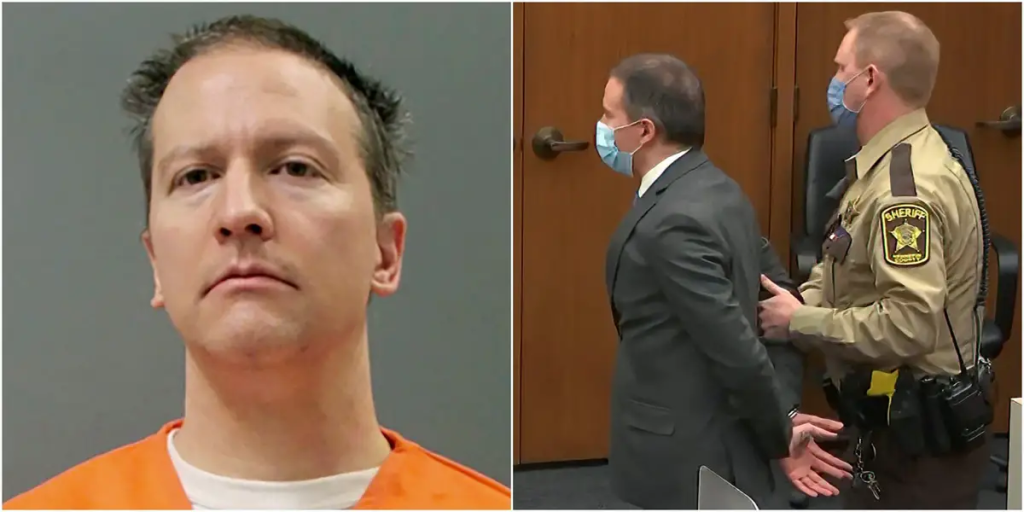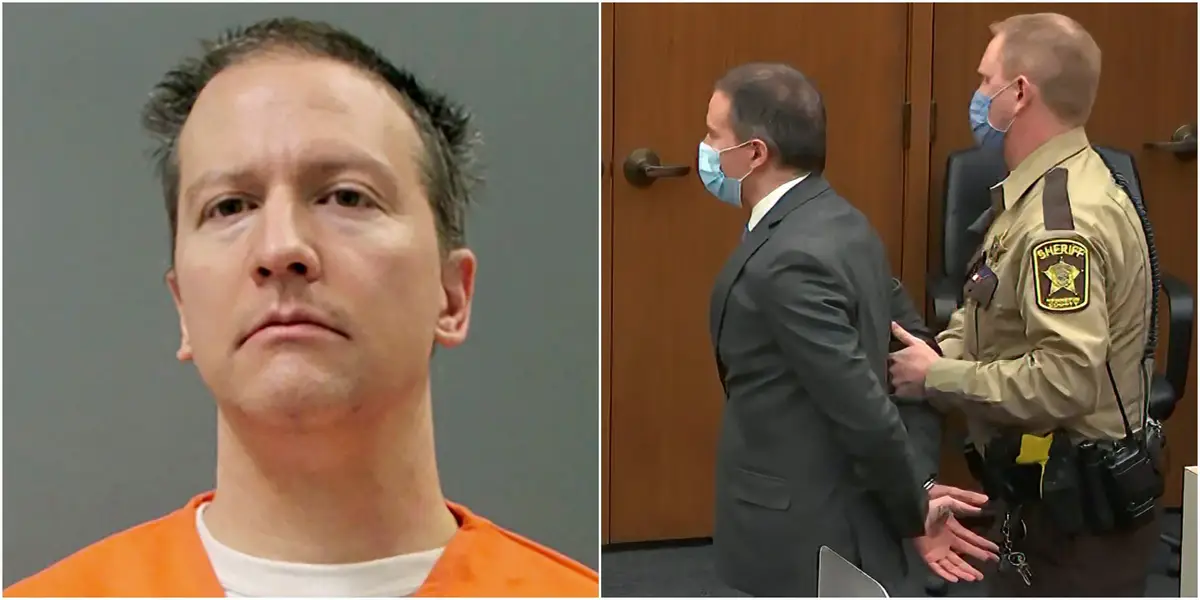
Derek Chauvin, the former Minneapolis police officer convicted in the 2020 killing of George Floyd, is serving lengthy prison sentences under heightened security conditions following one of the most widely publicized criminal prosecutions in modern American history. Chauvin’s convictions stem from the events of May 25, 2020, when Floyd died during an arrest in Minneapolis after Chauvin knelt on Floyd’s neck for more than nine minutes, an incident captured on video that sparked global protests and intensified debates about policing, race, and criminal justice in the United States.
In April 2021, a Minnesota jury found Chauvin guilty of second-degree unintentional murder, third-degree murder, and second-degree manslaughter. He was later sentenced to 22½ years in state prison. In a separate federal case, Chauvin pleaded guilty to violating Floyd’s civil rights and received a 21-year federal sentence. The sentences were structured to run concurrently, meaning they are served at the same time rather than consecutively.
Because of the extraordinary public attention surrounding the case, correctional officials have taken additional measures to protect Chauvin while incarcerated. High-profile inmates, particularly former law enforcement officers, often face increased risks within prison environments due to their notoriety and prior occupations. As a result, Chauvin has spent significant periods in protective custody and under enhanced monitoring.
Concerns about his safety intensified in November 2023 when Chauvin was stabbed by another inmate at the Federal Correctional Institution in Tucson, Arizona. According to federal authorities, the attack occurred inside the prison and left Chauvin seriously injured. He was transported to a hospital for treatment and later survived the assault. Federal prosecutors subsequently charged another inmate in connection with the attack. The incident drew national attention and renewed discussions about prison security and the management of high-profile inmates.
The prison attack represented one of the most serious incidents involving a former law enforcement officer incarcerated in the federal system in recent years. Experts noted that inmates connected to nationally known cases often face unique challenges because their identities and crimes are widely recognized by other prisoners and the public.
Today, Chauvin remains incarcerated while continuing to pursue legal challenges related to his convictions. Courts have largely rejected efforts to overturn the verdicts, and no court has vacated either his state or federal convictions. As a result, he faces many years in prison under conditions shaped by security concerns, public scrutiny, and the lasting consequences of a case that transformed national conversations about policing and accountability.
More than five years after George Floyd’s death, Chauvin’s imprisonment remains closely tied to the broader legacy of a case that prompted legislative proposals, police reform efforts, civil rights demonstrations, and ongoing debate throughout the United States. While the legal proceedings against him have largely concluded, the impact of the case continues to be felt far beyond prison walls.