Dylann Storm Roof, the man convicted of carrying out the racially motivated mass shooting at Emanuel African Methodist Episcopal Church in Charleston,
South Carolina, on June 17, 2015, is currently serving multiple state life sentences and a federal death sentence following one of the most significant hate-crime prosecutions in modern American history. Roof was convicted in federal court in 2016 on 33 charges, including hate crimes resulting in death and obstruction of religious exercise resulting in death, after prosecutors proved he murdered nine Black church members during a Bible study gathering.
The attack shocked the United States and drew international attention. Investigators determined that Roof entered the historic church, spent time with the congregation during Bible study, and then opened fire, killing nine people. During the federal trial, prosecutors presented extensive evidence showing that Roof was motivated by racist beliefs and had deliberately targeted the church because of its predominantly Black congregation.
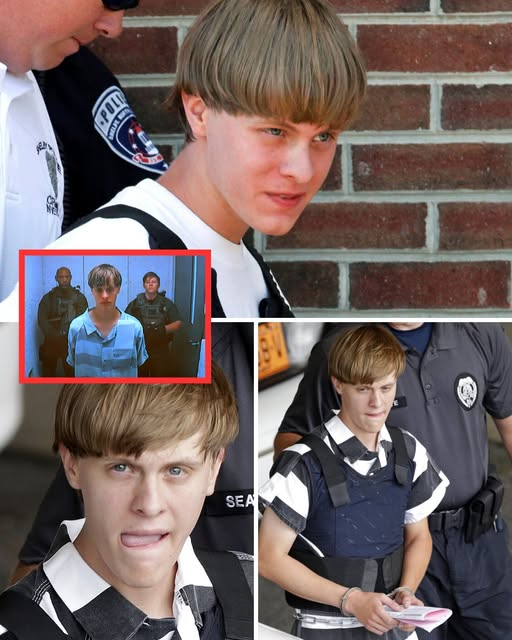
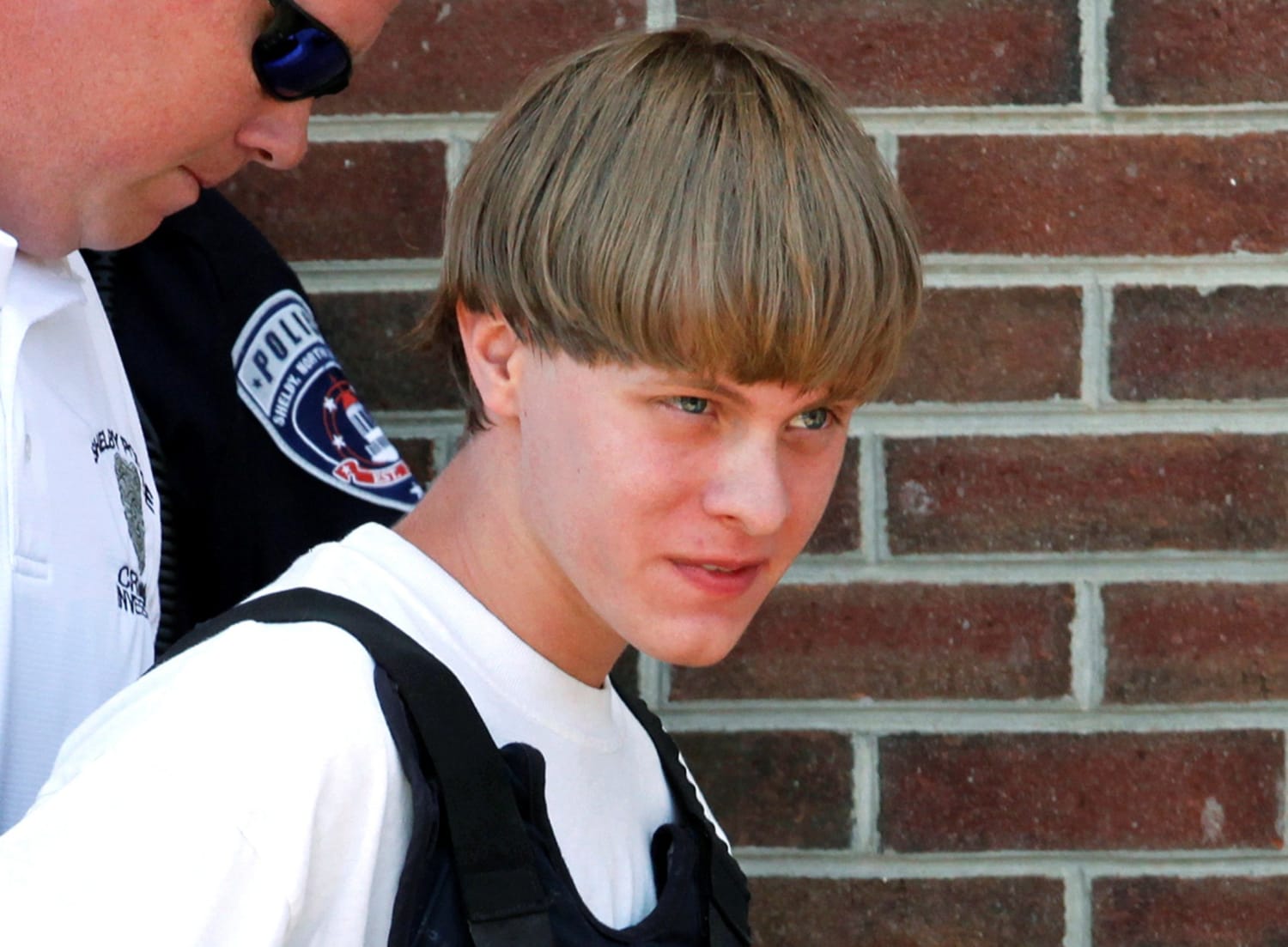
Today, Roof is housed at the United States Penitentiary in Terre Haute, Indiana, which contains the federal death row unit. Inmates assigned to federal death row are subject to heightened security procedures compared with prisoners housed in standard federal facilities. Communications, visitation, and daily movement are closely monitored, and inmates spend much of their time within secure housing units specifically designed for death-sentenced prisoners.
Over the years, Roof has pursued appeals challenging his convictions and death sentence. In 2022, a federal appeals court upheld both the convictions and the death sentence, rejecting arguments raised by the defense concerning trial procedures and competency issues. Additional legal challenges remain possible through the federal court system, but no court has overturned the verdicts or sentence.

Nearly a decade after the Charleston church shooting, Roof remains incarcerated under federal supervision while the families of the victims and the broader community continue to grapple with the lasting impact of a crime that became a defining moment in the national conversation about racism, extremism, hate crimes, and capital punishment in the United States.